

We absolutely enjoy working with Inclinator! From their elevator production department to their parts department, they are always accommodating to our needs.
Home Elevators in North Carolina
The original U.S. home elevator company, providing North Carolina, with space-saving, code-compliant elevators for nearly a century.
Elevators Customized to Your Home Dimensions
Nearly a century ago, our founder designed the first home elevator, bringing elevators into American homes, including many across North Carolina, and providing a low-impact mobility option. We customize the size to your home’s dimensions so you can benefit from:
- Reliable access: Made to strict standards and tailored to your home in North Carolina, a home elevator can access up to six landings. They support people with mobility issues and future-proof the home for long-term needs.
- Excellent safety: Standard safety features include emergency lighting, an alarm bell, door interlocks and gate monitoring. Depending on the drive system, an emergency battery enables lowering.
- Increased market appeal: Elevators for homes open new market segments for NC properties and can increase value by adding stair-free access for those who need it.

SINCE 1924


Our Home Elevator Installation Process
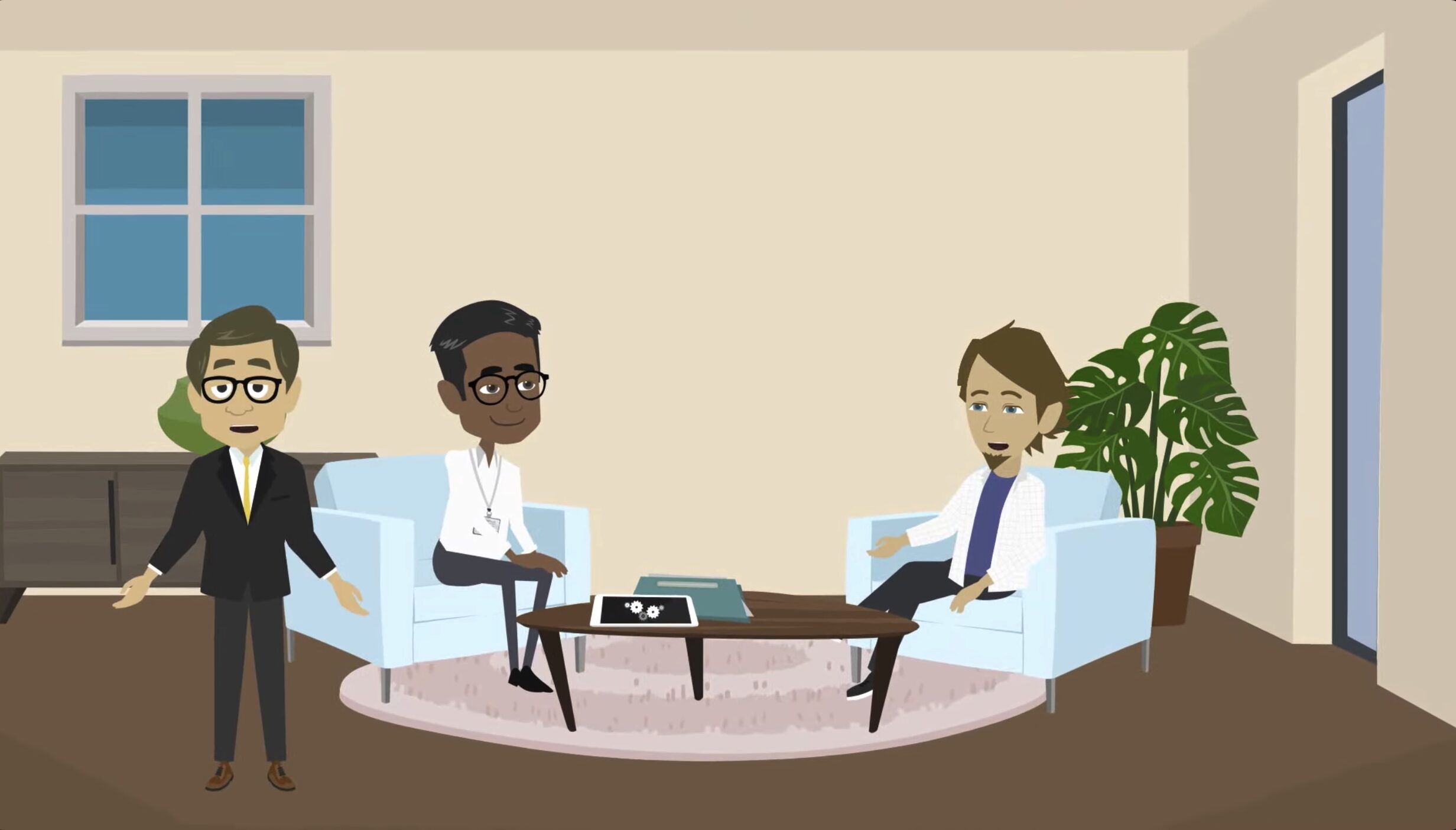
We use the following five-step process, which you will work through with your local and authorized North Carolina dealer:
Step 1: Consultation & Planning
- Homeowner: Contact your local dealer and share any existing home plans or project details.
- Dealer: Conduct an onsite consultation (or architectural drawing review) to recommend the best drive system and hoistway layout for your space.
Step 2: Design Selection & Quote
- Homeowner: Select your design finishes, including cab style, gates, and accessories.
- Dealer: Provide a quote based on your specific selections.
Step 3: Technical Drawings & Permits
- Homeowner: Review and approve hoistway drawings with your contractor and secure necessary permits (if applicable).
- Dealer: Create hoistway drawings with all necessary requirements, and review with homeowner and contractor.
Step 4: Construction & Inspection
- Homeowner: Have hoistway built by your contractor to match approved hoistway drawings – including flush door requirements.
- Dealer: Coordinate with contractor during construction phase to ensure hoistway is being built per the drawing requirements and inspect hoistway after completion.
Step 5: Installation & Handoff
- Homeowner: Attain completed permit paperwork (if applicable), and attend the final review to learn how to operate and maintain your new elevator.
- Dealer: Install elevator, perform safety testing, demonstrate proper operation, and ensure that applicable elevator permit requirements have been satisfied.

Increased Home Value

Improved Ease & Mobility

Seamless 5-Step Process
What Our Customers Are Saying

Personalized Fixtures and Finishes
You can pick from the following factory-finished options, or we can leave it unfinished for your own on-site finishing:
Walls
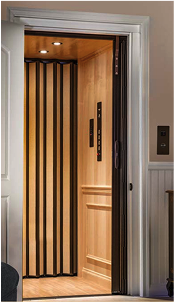
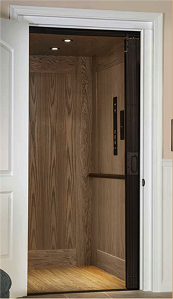
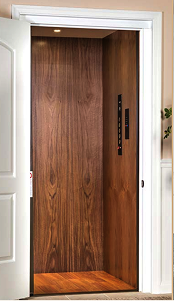
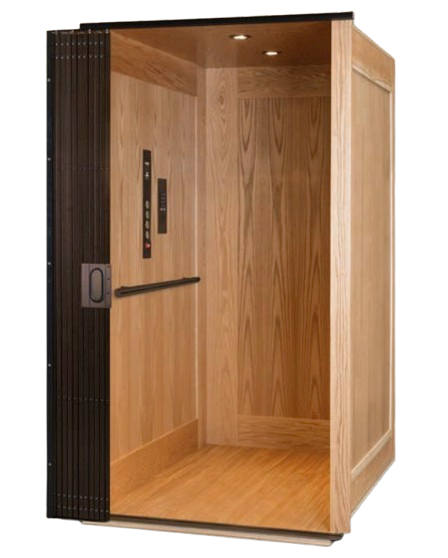
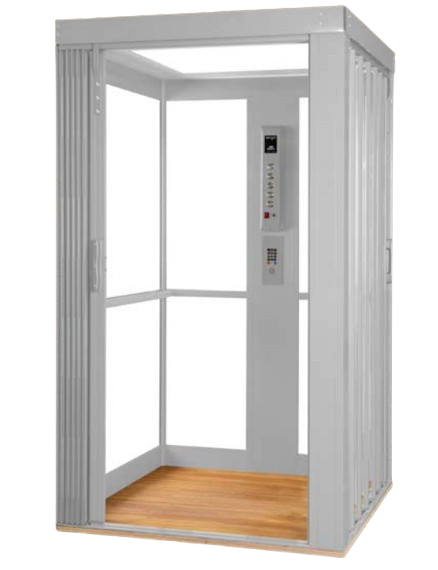
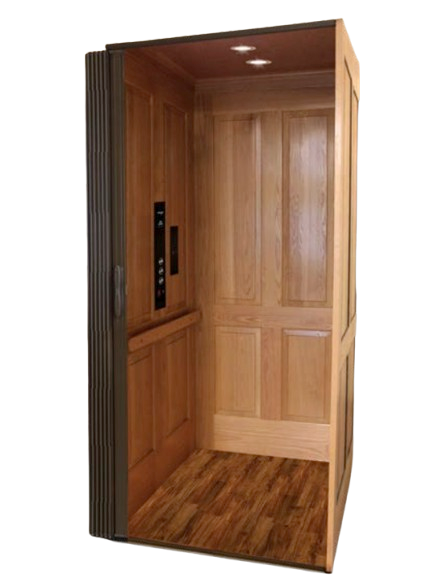
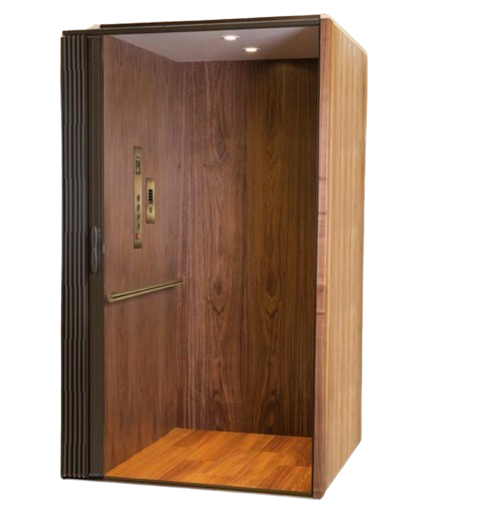
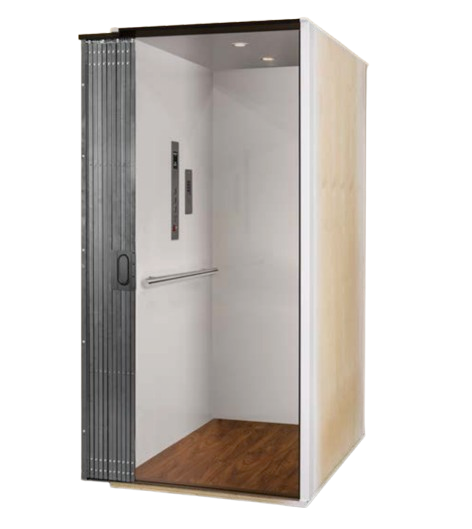
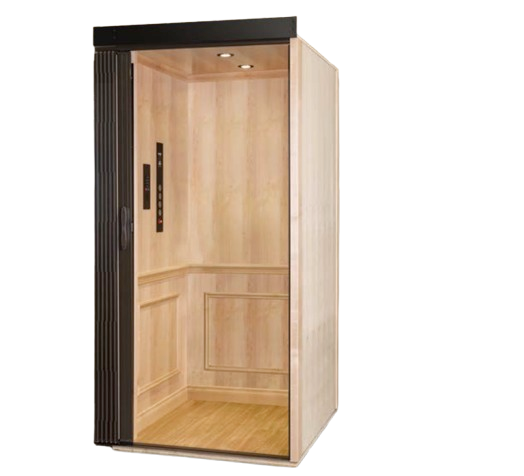
Choose from popular hardwoods and exotic veneers with the 200, 250, 300 and 400 cabs. Other cab designs, such as the 500, use acrylic paneling while the 100 uses paintable medium-density fiberboard.
Floors
Choose a simulated wood finish over our standard commercial-grade laminate floors.
Ceilings
The 100 has a white laminate ceiling, and the 500 has an acrylic dome. For the 200, 250, 300 and 400 cabs, we can match the ceiling wood to the walls.
Lighting
We can install up to four LED overhead lights, or you can configure your own lighting setup.
Fixtures
Choose decorative wood or round metal handrails, and one of three metal finishes for the hall station and operating panel.

Contact Your Closest Dealer Today
Whether you need residential elevators in Wilmington, Brunswick County, North Carolina or another area nearby, your local authorized dealer will install them to applicable local and state codes. They’ll assist you through every step of the process.
Contact your local authorized Inclinator dealer for any home elevator services you need and start the consultation process today.


 ACCESS DEALER PORTAL


